Automated Roofs: How IoT Keeps Your Home Protected Without Lifting a Finger
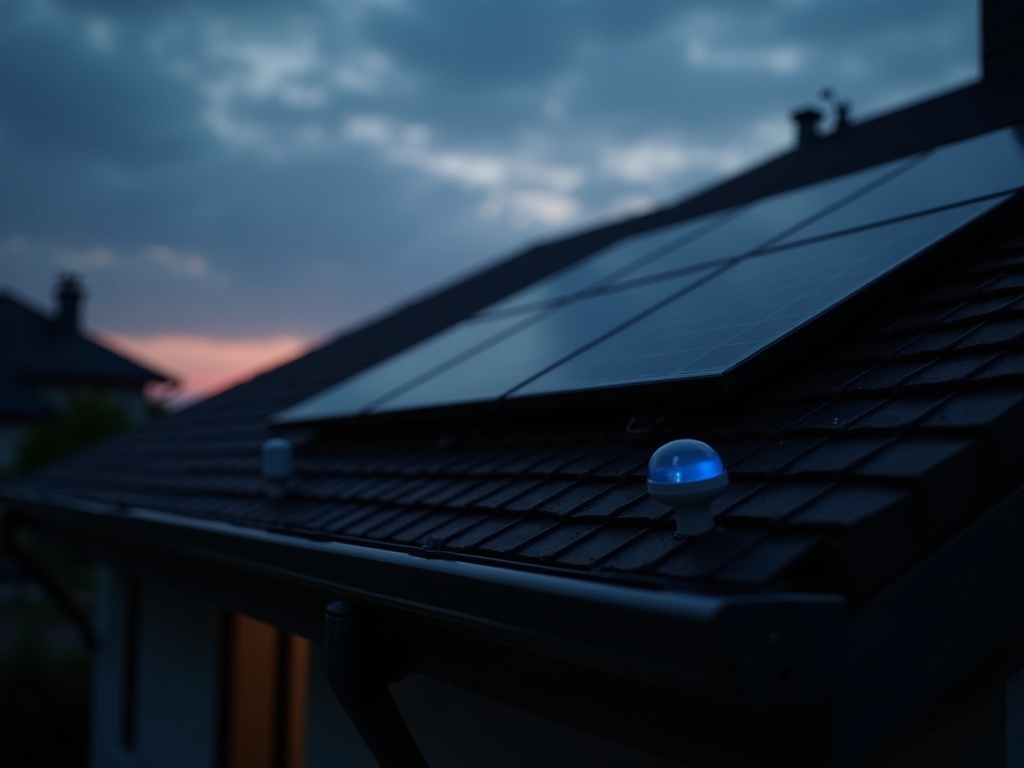
I run home automation on a Synology NAS and Home Assistant for zero monthly cloud cost. Hardware was four hundred dollars for the NAS, fifty for Z-Wave hub, and ten to thirty per sensor. Lights kill after fifteen minutes of no motion, HVAC tracks occupancy, irrigation skips on rain forecasts, and cameras alert my phone with no data leaving home.
You spend thousands on a beautiful terrace, pergola, or retractable roof. You furnish it with outdoor furniture, maybe a grill, some cushions. Then it rains while you're at work and everything gets soaked. Or worse, you're on vacation and a week of rain warps the wood, rusts the frame, and ruins the cushions you forgot to bring inside.
This is the problem that motorized roofs were supposed to solve. And they do, partially, if someone is home to press the button. But the button is the weak point. Humans forget. Humans sleep. Humans go to work, go on trips, and get distracted. The roof stays open because nobody was there to close it.
IoT automation removes the human from the equation entirely. The roof closes itself when it needs to, whether you're home or not.
How Automated Roof Systems Work
A modern IoT roof automation system has three components working together: sensors, intelligence, and motor control.
Rain sensors are the first line of defense. A physical sensor mounted near the roof detects moisture the instant rain starts falling. This triggers an immediate close command to the motor. Response time is typically under 10 seconds from first raindrop to motor activation. The sensor works locally, with no internet required, if the power is on and the sensor is wet, the roof closes.
Weather prediction is the second layer, and it's what separates a basic rain sensor from an intelligent system. By pulling data from weather APIs, the system can see rain approaching 30 minutes before it arrives. Instead of reacting to rain, it anticipates it. The roof closes while the sky is still clear, giving you time to gather anything that needs to come inside. This predictive capability requires internet connectivity, but it transforms the system from reactive to proactive.
Motor control is the physical interface between the IoT device and your existing roof motor. Most systems use a relay or dry-contact output that connects to the motor controller the same way a wall switch or remote control does. This means the IoT device works with whatever motor you already have installed, PPA, SEG, CAME, NICE, BFT, or any other brand. No need to replace your motor or control box.
Rain Sensor
Instant detection. Closes roof in seconds when moisture is detected. Works offline, no internet needed.
Weather Prediction
30-minute advance warning. Closes roof before rain arrives using weather API data and local forecasts.
Motor Control
Universal compatibility. Relay output works with any existing motorized roof system. No hardware replacement needed.
The Real Cost of an Unprotected Terrace
People underestimate how much damage rain does to outdoor spaces over time. A single unexpected rainstorm might not ruin anything, but the cumulative effect is significant.
Furniture damage. Outdoor cushions and upholstery absorb water and develop mold if not dried quickly. Wooden furniture warps and cracks. Metal frames rust. Even "weather-resistant" furniture degrades faster when it's regularly soaked. Replacing a full set of outdoor furniture every 2-3 years instead of every 5-7 years doubles your cost.
Structural damage. Water pooling on flat surfaces causes staining. Repeated wet-dry cycles crack grout and tile. Wooden decking absorbs moisture and expands, then contracts when it dries, loosening fasteners over time. The structural repairs from years of water exposure can cost more than the automation system would have.
Wasted space. The most expensive cost is the one nobody measures: you stop using the space. If the terrace is unreliable, if you can't leave things out without worry, you gradually stop furnishing it, stop entertaining out there, stop treating it as usable living space. That outdoor area you paid a premium for becomes a storage space with a nice view.
An automated roof system costs a fraction of one furniture replacement cycle. It pays for itself the first time it closes while you're asleep during a midnight rainstorm.
What to Look for in a Roof Automation System
Not all systems are created equal. Here are the features that matter:
Local-first operation. The rain sensor and motor control should work without internet. Cloud features like remote control and weather prediction are valuable, but the core protection function must work offline. If your internet goes down during a storm, you need the roof to close anyway.
Universal motor compatibility. The system should work with your existing motor, not require you to buy a specific brand. Look for relay or dry-contact outputs that interface with standard motor controllers.
Remote monitoring and control. A dashboard showing roof position, sensor readings, and event history lets you check on things from anywhere. The ability to open or close the roof from your phone is useful when you're away and want to air out the terrace on a sunny day.
WhatsApp or push notifications. You want to know when the system acts. A message saying "roof closed, rain detected" gives you confidence the system is working. A message saying "sensor offline" tells you something needs attention before the next storm.
Weather prediction integration. Closing the roof 30 minutes before rain is significantly better than closing it 10 seconds after rain starts. Those 10 seconds of rain on your furniture add up over hundreds of events.
Installation simplicity. If the system requires rewiring your motor or hiring an electrician, adoption drops dramatically. The best systems connect to existing motor wiring in minutes with basic tools.
Real-World Example: SyncSita in Colombia
I built SyncSita to solve exactly this problem. It's an ESP32-based IoT device that connects to any motorized roof or pergola system. The hardware handles rain sensing and motor control locally. The cloud layer adds weather prediction, a real-time dashboard at connect.syncsita.com, WhatsApp alerts, and remote control.
In Colombia, where afternoon rain is almost a daily occurrence in many cities, the value proposition is immediate. Homeowners with terraces, penthouses with retractable roofs, and restaurants with outdoor dining areas all face the same problem: someone has to watch the sky and react fast enough. SyncSita removes that responsibility entirely.
The system has been running in production across multiple installations, closing roofs an average of 12-15 times per month during rainy season. Each of those events is a potential furniture-soaking, floor-staining, cushion-ruining incident that didn't happen.
Beyond Rain: Other Automation Triggers
Rain protection is the primary use case, but once you have an IoT device connected to your roof motor, other automations become possible:
- Wind speed. High winds can damage retractable structures. A wind sensor triggers the roof to close when gusts exceed a safe threshold, preventing mechanical damage to the motor and fabric.
- Temperature. Close the roof during peak sun hours to keep the terrace cool, then open it in the evening when the temperature drops.
- Scheduled operation. Open at 7 AM, close at sunset. Useful for businesses with outdoor seating that want consistent daily coverage.
- Sunrise/sunset. Tie roof position to actual daylight hours, which shift throughout the year. The system adjusts automatically based on GPS coordinates.
Each of these triggers can be combined. Close if wind exceeds 40 km/h OR rain is detected OR it's past 9 PM. The logic runs on the cloud platform and sends commands to the local device, while the rain sensor always works as a local failsafe.
A motorized roof without automation is a roof that depends on someone remembering to press a button. IoT automation turns it into a system that protects your outdoor space 24/7, whether you're home, asleep, or on the other side of the world. The technology exists today, it works with existing motors, and it costs less than one season of rain damage to outdoor furniture. If you have a retractable roof or pergola, automation isn't a luxury, it's the missing piece that makes the investment actually work.
